Common Mistakes to Avoid During Air Conditioning Installation
Having air conditioning fitted in your home is a worthwhile investment, but only when it is done correctly. The reality is that a number of avoidable mistakes occur during domestic installations some at the planning stage, some during the fitting itself and some in the weeks that follow. These mistakes can affect performance, efficiency, compliance and even the long-term reliability of the system.

Why you can trust our content
At a glance
Understanding what to look out for before you book a job can save you considerable time and expense later. Here is a straightforward breakdown of the most common pitfalls homeowners encounter, and how to steer clear of them.
If you’d like to ensure your installation is done right from the start, request a bespoke quote from McAlpine Grant Ilco.
Is Choosing the Cheapest Quote Always a Mistake?
Not necessarily, but in the air conditioning industry, a quote that seems unusually low is often low for a reason. Some installers cut corners on pipework quality, use non-compliant refrigerant handling practices or skip the Part L registration process entirely. While the upfront savings might look attractive, the long-term consequences of reduced efficiency, voided manufacturer warranties and potential compliance issues far outweigh any initial difference.
Always check that any installer holds F-Gas certification, which is a legal requirement for working with refrigerants. It is also worth confirming whether they operate under a Competent Person Scheme such as BESCA, which ensures the work is registered with building control on your behalf. Choosing air conditioning fitters in High Wycombe who hold these accreditations protects both your investment and your legal position as a homeowner.
What type of property do you have?

Detached

Semi Detached
Terraced

Flat

Bungalow

Commercial or small office
It just takes 60 seconds
And then you can book a free consultation
Incorrect System Sizing
This is one of the most frequently made errors in domestic air conditioning installation in High Wycombe, and it has a direct impact on how well the system performs. Choosing a unit based purely on room area, without accounting for ceiling height, glazing, insulation levels and orientation, routinely leads to systems that are mismatched to the space they serve.
An undersized unit will run at maximum capacity without ever reaching the target temperature, increasing running costs and wearing out the compressor prematurely. An oversized unit will cool or heat the room too rapidly, leading to short cycling where the system turns on and off repeatedly, which is inefficient and uncomfortable. A proper site survey eliminates this risk entirely.
Poor Placement of Indoor and Outdoor Units
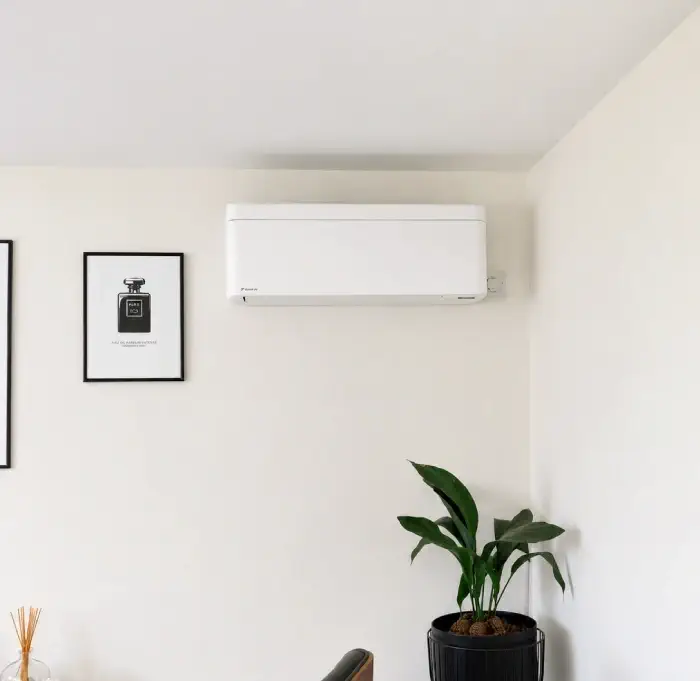
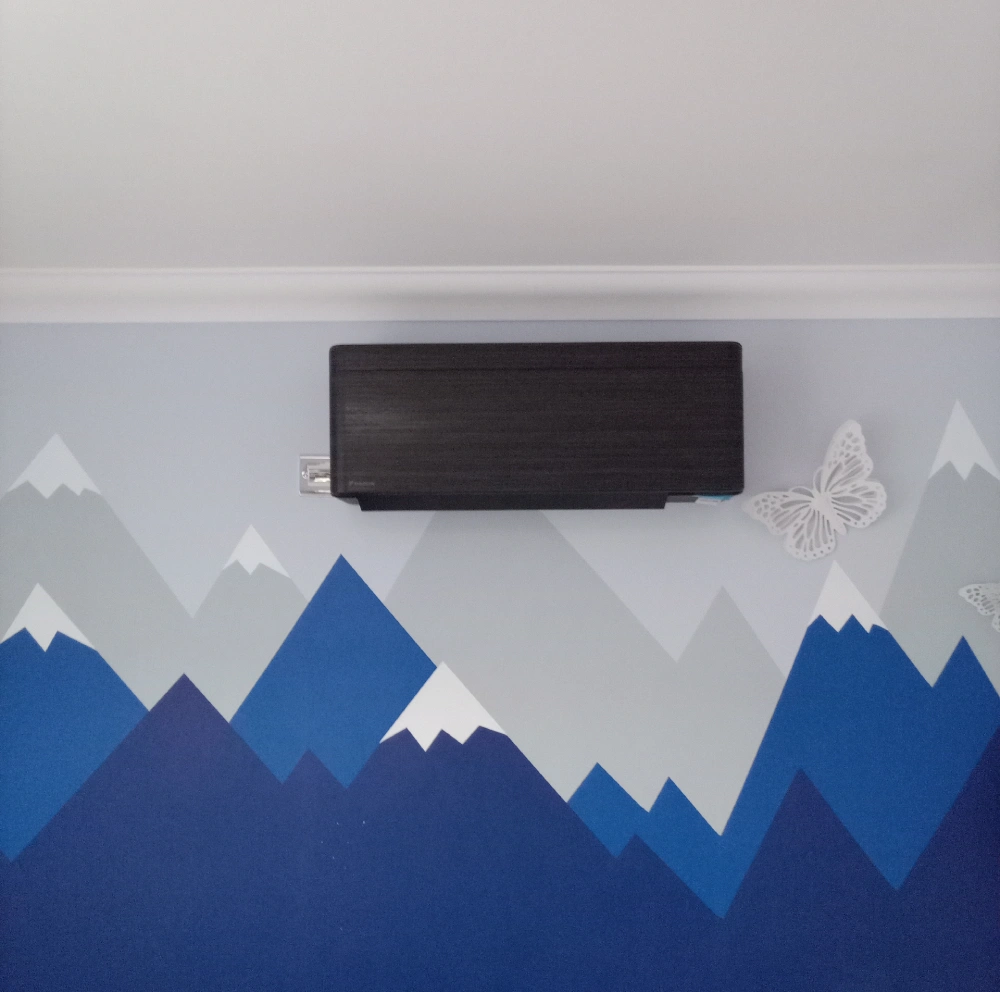
Where the indoor unit is positioned affects airflow, noise distribution and the effectiveness of the system throughout the room. Fitting a unit too close to a corner, behind a curtain or above a heat source such as a television will interfere with the sensor readings and reduce performance. The unit should have clear airflow in all directions and be positioned where the conditioned air can circulate naturally across the space.
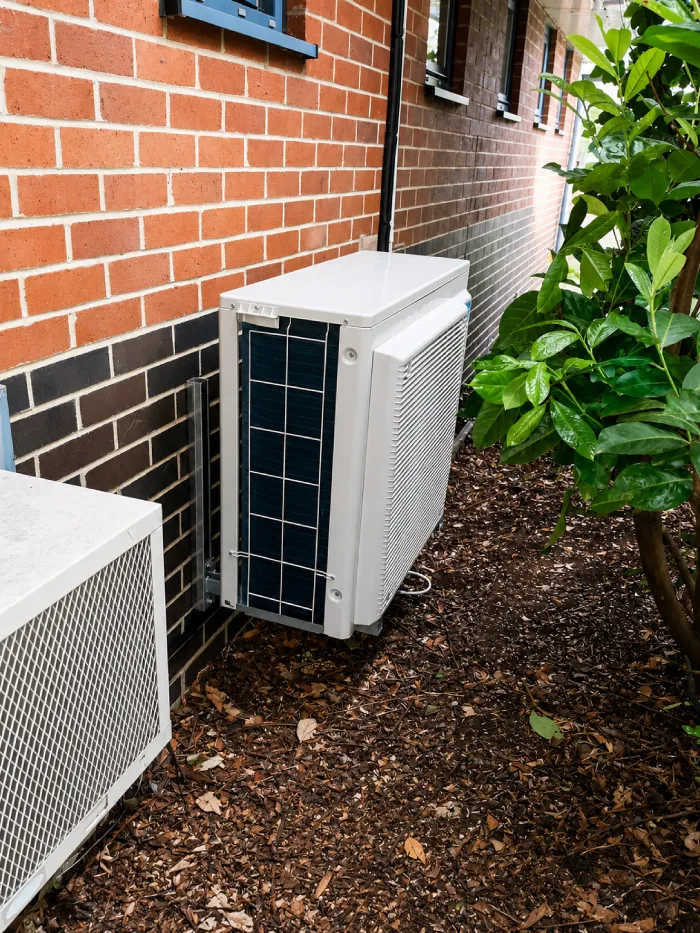
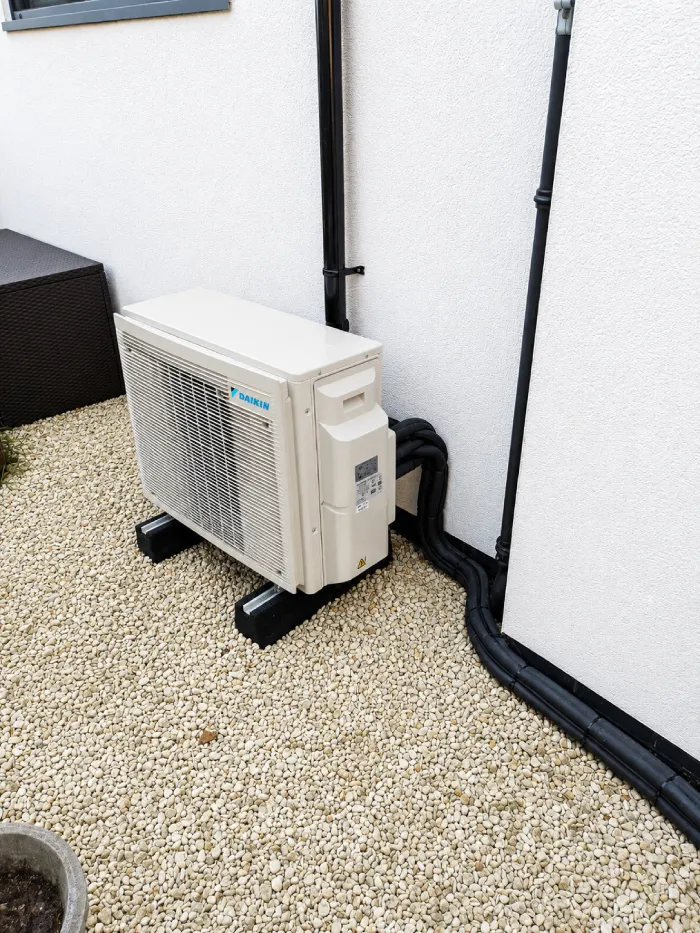
The outdoor condenser unit requires adequate clearance on all sides for heat exchange. Placing it in a confined space, directly against a wall or in an area prone to leaf and debris build-up will reduce efficiency and can cause the system to fail. A professional surveyor will identify the most suitable positions for both units before any work begins.
What Happens If You Skip the Building Regulations Process?
In England, air conditioning installation is notifiable work under Part L of the Building Regulations. If the installer is not registered under a Competent Person Scheme such as BESCA, the homeowner must submit a Building Notice to the local authority and arrange a separate inspection. Many homeowners are unaware of this and discover the gap only when selling their property and being asked for compliance documentation.
Using a registered installer removes this burden entirely; the work is self-certified, and the installer issues the relevant certificate directly. It is worth asking for this certificate on completion and keeping it with your property documents alongside any other relevant building work records.
Neglecting Aftercare and Maintenance
A new system that is never serviced will gradually decline in performance. Filters become blocked, refrigerant levels can drift, and electrical connections can loosen over time. Most manufacturer warranties require evidence of annual servicing to remain valid, so skipping maintenance can inadvertently void the protection that came with the system.
Booking a planned maintenance plan shortly after installation is the simplest way to protect the system’s longevity. For homeowners who want priority callout cover as well as planned visits, a contract-based maintenance plan offers the most comprehensive protection.
Final Thoughts
Getting air conditioning fitted correctly means more than just having a unit on the wall. It means choosing the right system, using a properly accredited installer, positioning units correctly and setting up a sensible aftercare plan from day one. Each of these steps protects your investment and ensures the system performs as it should for years to come.
McAlpine Grant Ilco Ltd provides domestic air conditioning installation across High Wycombe and the wider South East Midlands area, with over 25 years of experience and full accreditation under the Competent Person Scheme. Contact the team today to arrange a site survey and get your installation started on the right footing.
Related articles
What type of property do you have?
Detached
Semi Detached
Terraced
Flat
Bungalow
Commercial or small office
At a glance
Understanding what to look out for before you book a job can save you considerable time and expense later. Here is a straightforward breakdown of the most common pitfalls homeowners encounter, and how to steer clear of them.
If you’d like to ensure your installation is done right from the start, request a bespoke quote from McAlpine Grant Ilco.
Is Choosing the Cheapest Quote Always a Mistake?
Not necessarily, but in the air conditioning industry, a quote that seems unusually low is often low for a reason. Some installers cut corners on pipework quality, use non-compliant refrigerant handling practices or skip the Part L registration process entirely. While the upfront savings might look attractive, the long-term consequences of reduced efficiency, voided manufacturer warranties and potential compliance issues far outweigh any initial difference.
Always check that any installer holds F-Gas certification, which is a legal requirement for working with refrigerants. It is also worth confirming whether they operate under a Competent Person Scheme such as BESCA, which ensures the work is registered with building control on your behalf. Choosing air conditioning fitters in High Wycombe who hold these accreditations protects both your investment and your legal position as a homeowner.
What type of property do you have?
Detached
Semi Detached
Terraced
Flat
Bungalow
Commercial or small office
It just takes 60 seconds
And then you can book a free consultation
Incorrect System Sizing
This is one of the most frequently made errors in domestic air conditioning installation in High Wycombe, and it has a direct impact on how well the system performs. Choosing a unit based purely on room area, without accounting for ceiling height, glazing, insulation levels and orientation, routinely leads to systems that are mismatched to the space they serve.
An undersized unit will run at maximum capacity without ever reaching the target temperature, increasing running costs and wearing out the compressor prematurely. An oversized unit will cool or heat the room too rapidly, leading to short cycling where the system turns on and off repeatedly, which is inefficient and uncomfortable. A proper site survey eliminates this risk entirely.
Poor Placement of Indoor and Outdoor Units
Where the indoor unit is positioned affects airflow, noise distribution and the effectiveness of the system throughout the room. Fitting a unit too close to a corner, behind a curtain or above a heat source such as a television will interfere with the sensor readings and reduce performance. The unit should have clear airflow in all directions and be positioned where the conditioned air can circulate naturally across the space.
The outdoor condenser unit requires adequate clearance on all sides for heat exchange. Placing it in a confined space, directly against a wall or in an area prone to leaf and debris build-up will reduce efficiency and can cause the system to fail. A professional surveyor will identify the most suitable positions for both units before any work begins.
What Happens If You Skip the Building Regulations Process?
In England, air conditioning installation is notifiable work under Part L of the Building Regulations. If the installer is not registered under a Competent Person Scheme such as BESCA, the homeowner must submit a Building Notice to the local authority and arrange a separate inspection. Many homeowners are unaware of this and discover the gap only when selling their property and being asked for compliance documentation.
Using a registered installer removes this burden entirely; the work is self-certified, and the installer issues the relevant certificate directly. It is worth asking for this certificate on completion and keeping it with your property documents alongside any other relevant building work records.
Neglecting Aftercare and Maintenance
A new system that is never serviced will gradually decline in performance. Filters become blocked, refrigerant levels can drift, and electrical connections can loosen over time. Most manufacturer warranties require evidence of annual servicing to remain valid, so skipping maintenance can inadvertently void the protection that came with the system.
Booking a planned maintenance plan shortly after installation is the simplest way to protect the system’s longevity. For homeowners who want priority callout cover as well as planned visits, a contract-based maintenance plan offers the most comprehensive protection.
Final Thoughts
Getting air conditioning fitted correctly means more than just having a unit on the wall. It means choosing the right system, using a properly accredited installer, positioning units correctly and setting up a sensible aftercare plan from day one. Each of these steps protects your investment and ensures the system performs as it should for years to come.
McAlpine Grant Ilco Ltd provides domestic air conditioning installation across High Wycombe and the wider South East Midlands area, with over 25 years of experience and full accreditation under the Competent Person Scheme. Contact the team today to arrange a site survey and get your installation started on the right footing.
Related articles
What type of property do you have?
Detached
Semi Detached
Terraced
Flat
Bungalow
Commercial or small office